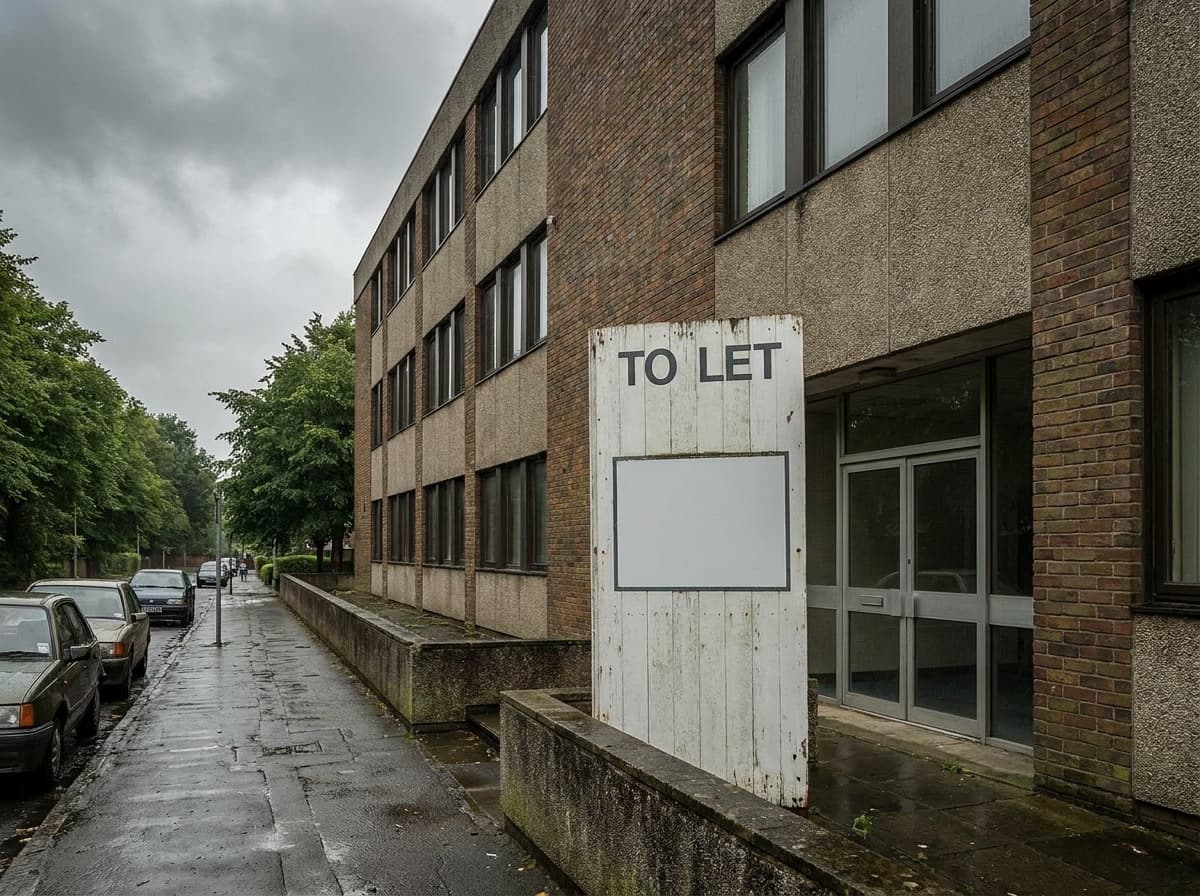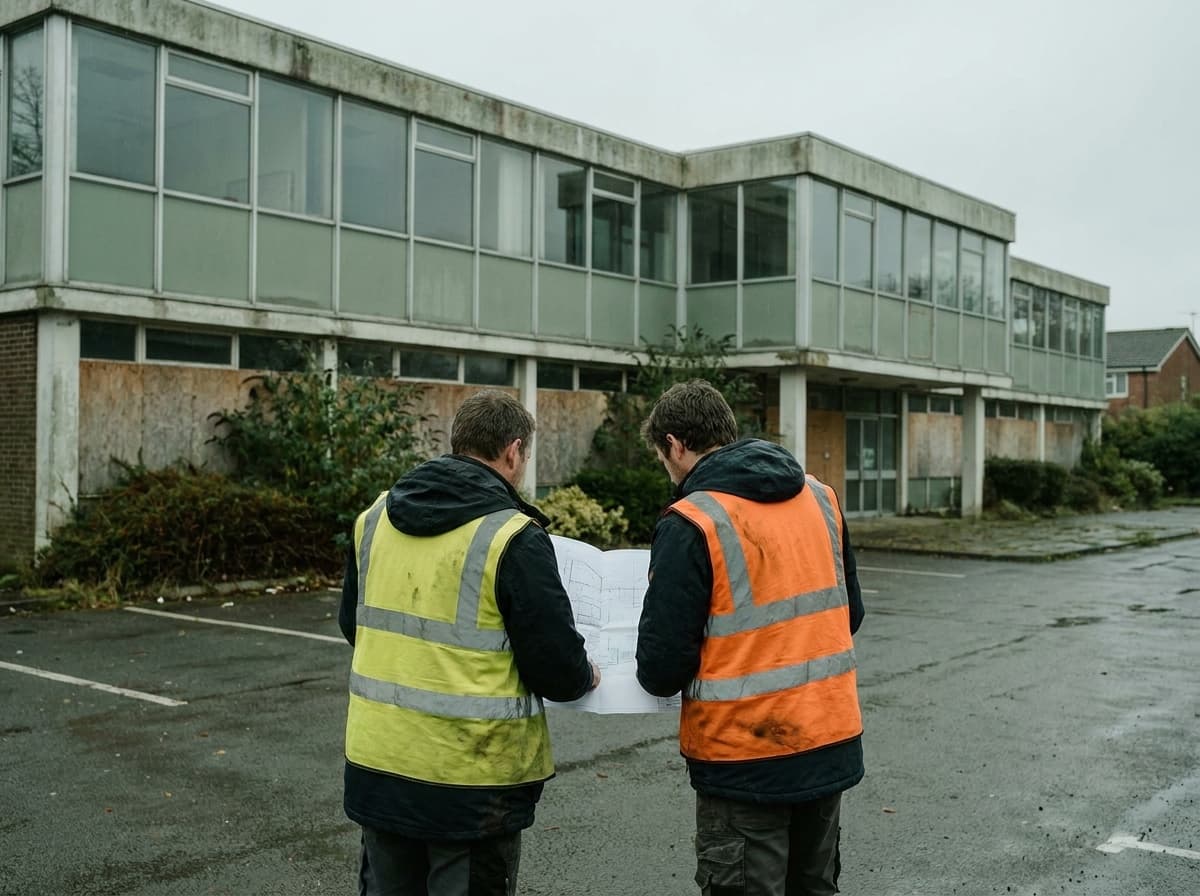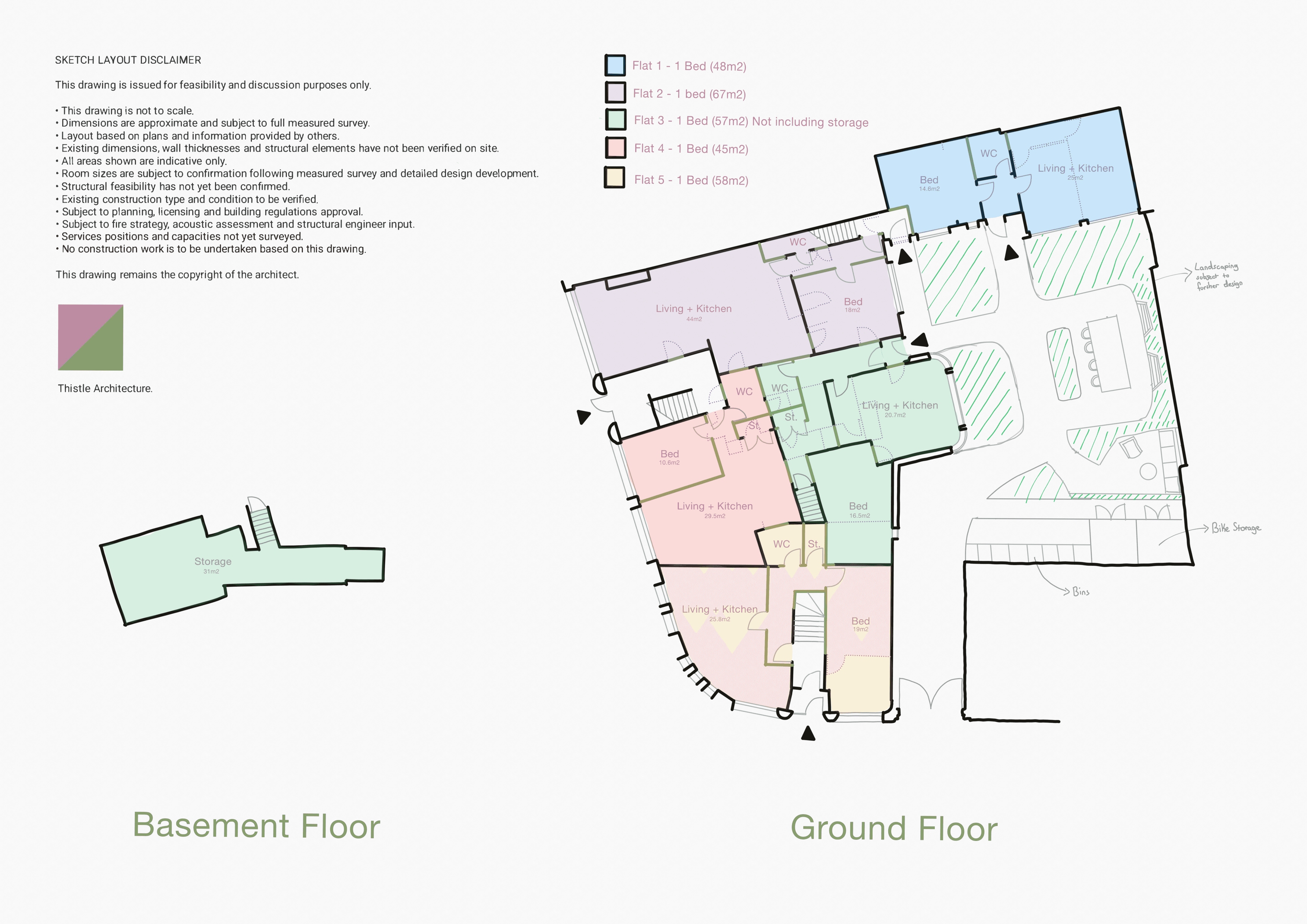
One of the most common questions we hear from developers looking at commercial-to-residential conversions is whether to pursue Class MA permitted development rights or submit a full planning application. The answer, as with most things in property development, depends on the building.
What is Class MA?
Class MA was introduced in August 2021, replacing the previous Class O permitted development right. It allows the change of use from commercial, business, and service use (Class E) to residential (Class C3) without needing full planning permission. Instead, you apply for Prior Approval, a simpler, faster process that the local planning authority must determine within 56 days.
The key advantages of Class MA are speed and certainty. The local authority can only assess the application against a limited set of criteria: flooding, contamination, transport impacts, noise, natural light, fire safety, and the impact on the intended function of any conservation area or area of outstanding natural beauty.
When Class MA Works
Class MA is ideal for straightforward office and retail conversions where the building has been in continuous commercial use and sits outside any Article 4 direction area. It's particularly effective for buildings with regular floor plates, adequate natural light, and no significant flood risk.
Thinking about a conversion?
Get a clear Go or No-Go on your building in five days, for a fixed fee.
In our experience, prior approval applications for straightforward buildings succeed more often than comparable full applications, and decisions arrive faster: most prior approvals are determined within the 56-day statutory window, while full planning routinely takes 12 to 16 weeks.
When You Need Full Planning
Full planning becomes necessary in several scenarios. If the building is in an area covered by an Article 4 direction that removes Class MA rights, you have no choice but to apply through the full planning route. Similarly, if you want to extend the building, alter its external appearance significantly, or the building doesn't meet the Class E use class requirements, full planning is the only option.
Full planning also gives you more flexibility. You can negotiate with the planning authority on unit sizes, mix, and design. You can propose extensions or rooftop additions that Class MA doesn't permit. And you can make a case for schemes that might not meet the strict Class MA criteria on issues like natural light or flooding.
Our Recommendation
We always assess both routes as part of our feasibility studies. In many cases, Class MA is the clear winner, it's faster, more certain, and avoids the risk of planning refusal on design grounds. But for complex buildings or schemes that need to push beyond the existing envelope, full planning can unlock significantly more value despite the additional time and cost.
The critical thing is to make this decision early, before you exchange contracts. Our feasibility reports include a clear recommendation on the optimal planning route, backed by local precedent analysis and a risk assessment for each option.