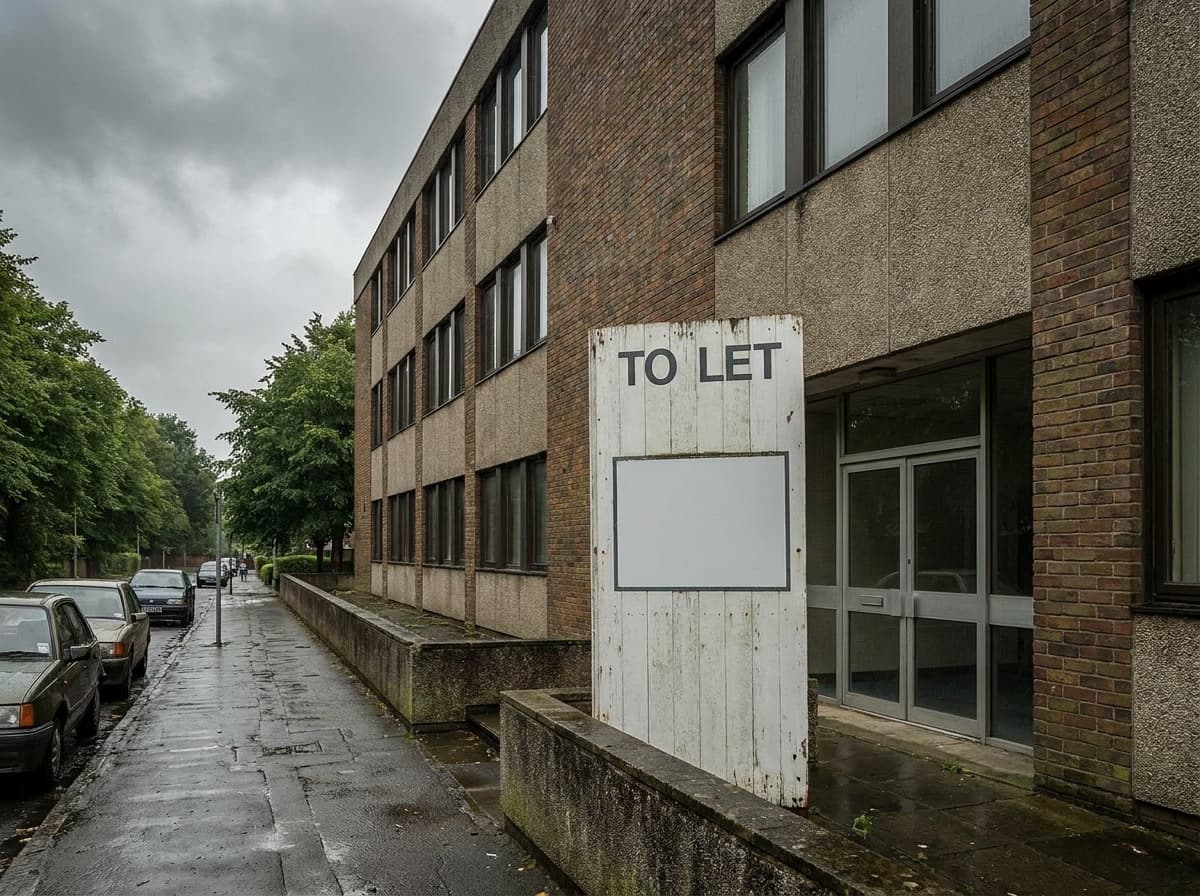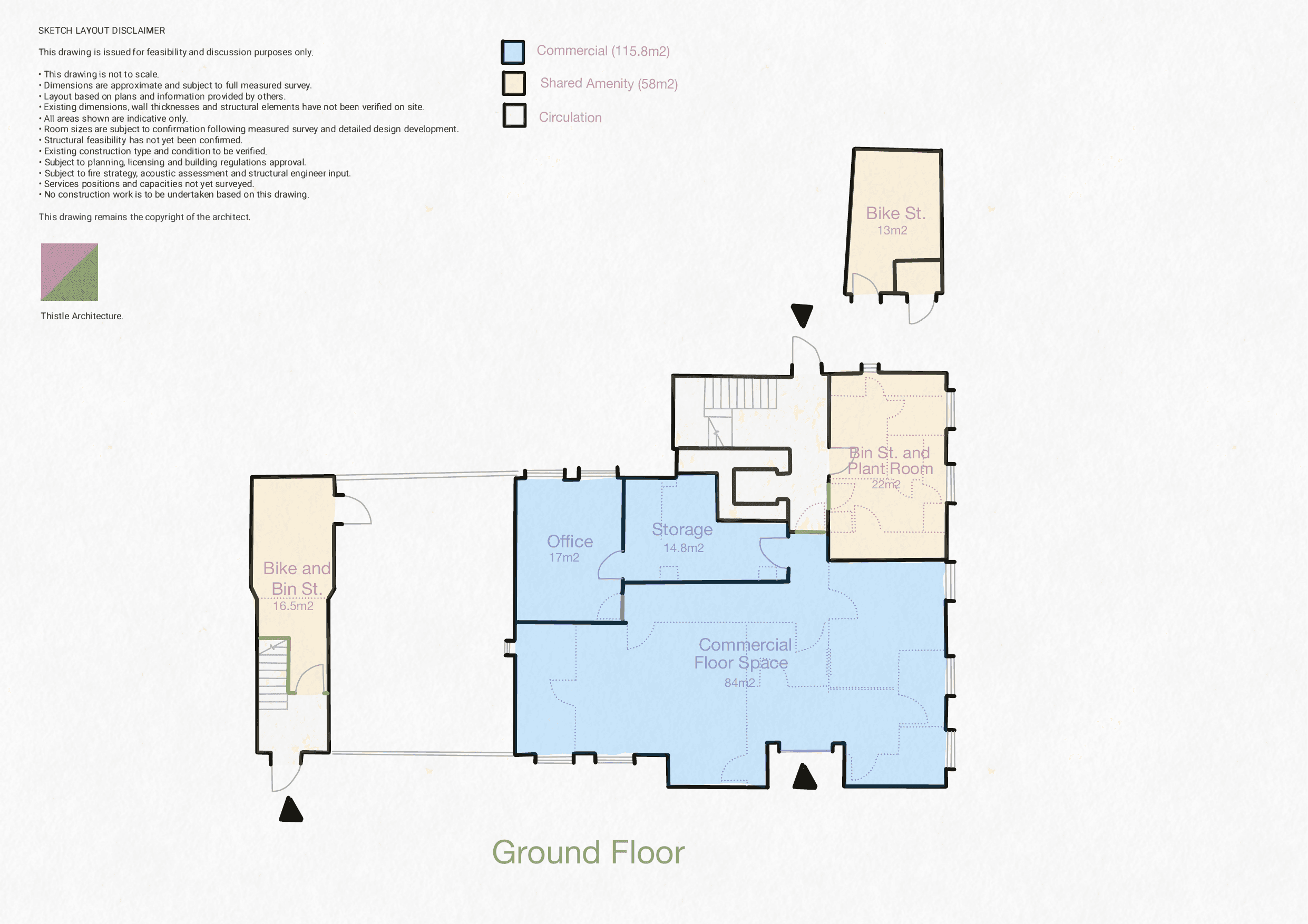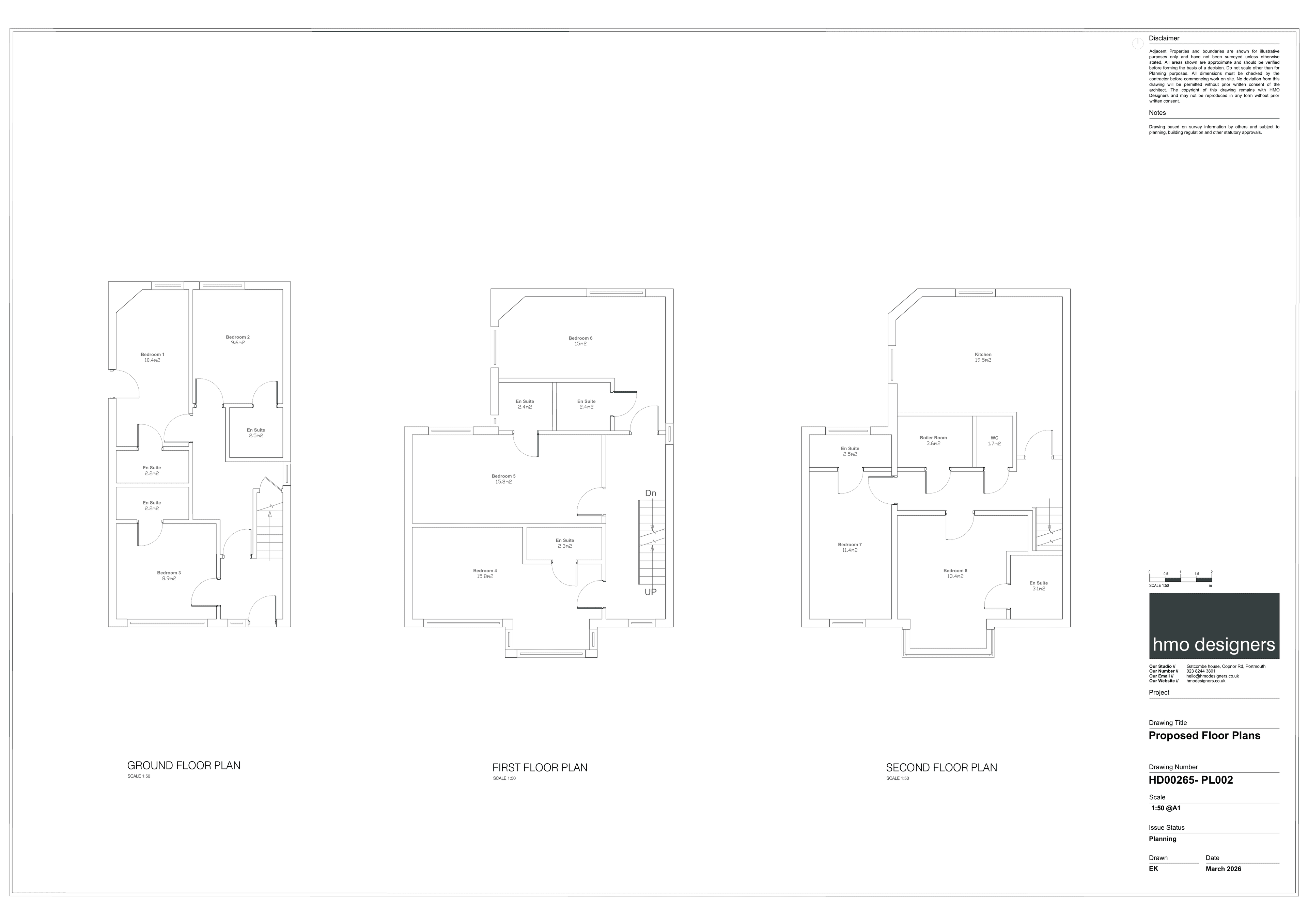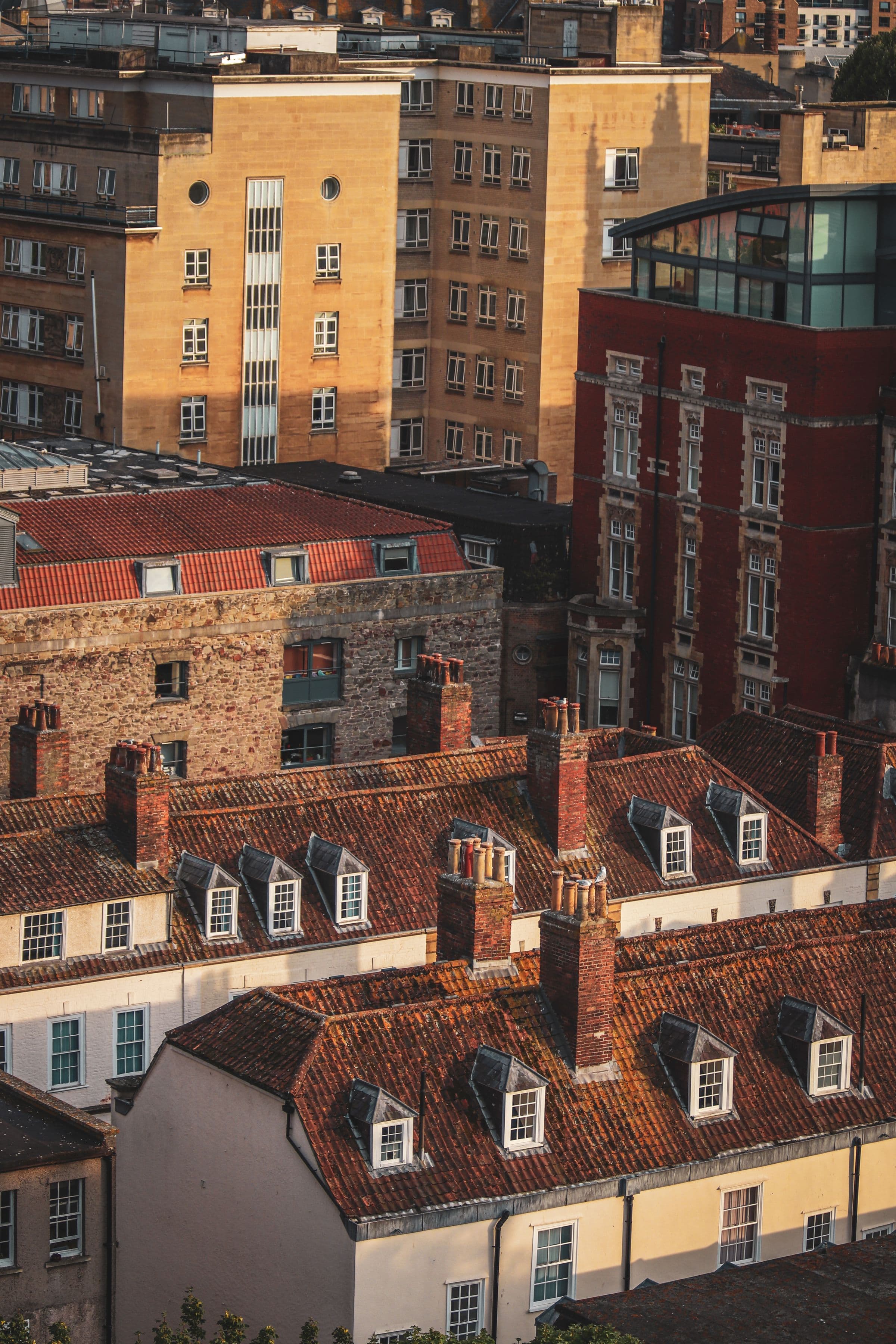
Commercial-to-residential conversion has been growing steadily since the introduction of permitted development rights in 2013. But 2026 is shaping up to be a landmark year for the sector, driven by a convergence of market conditions, policy changes, and shifting work patterns.
High Office Vacancy
Post-pandemic working patterns have permanently reduced demand for traditional office space, and vacancy in many regional centres remains well above long-run averages. This surplus of empty commercial stock represents an enormous opportunity for developers who can move quickly.
Supportive Planning Policy
The expansion of Class MA in 2021 was a game-changer, but the government's continued commitment to brownfield-first development policy has created an even more favourable environment. The revised NPPF gives significant weight to the reuse of existing buildings, and many local authorities are now actively encouraging conversion schemes as part of their housing delivery strategies.
The Housing Shortage
Thinking about a conversion?
Get a clear Go or No-Go on your building in five days, for a fixed fee.
England needs roughly 300,000 new homes per year to meet demand, and delivery has consistently fallen short of that figure. The gap has to be filled somehow, and conversion of existing commercial buildings is one of the fastest routes to delivery. Unlike new-build projects, conversions don't require land acquisition or lengthy enabling works, you're starting with a building that already has foundations, a structure, and services connections.
The Economics Work
For developers, the economics of conversion are compelling. Acquisition costs for vacant commercial buildings remain well below residential land values in most locations. Conversion build costs are typically well below new-build for a comparable scheme, and the programme is significantly shorter, often 6 to 9 months from start on site to practical completion.
Combined with strong rental demand in most urban areas, this means well-bought conversion projects can achieve margins that new-build developments struggle to match.
What This Means for Developers
The window is open, but it won't stay open forever. As more developers enter the market, competition for suitable buildings will increase and acquisition prices will rise. The developers who move fastest, with data-driven feasibility studies that let them bid with confidence, will capture the best opportunities.
That's exactly what Thistle is built for. Our 5-day feasibility process is designed to give developers the speed and clarity they need to act on deals before the competition catches up.