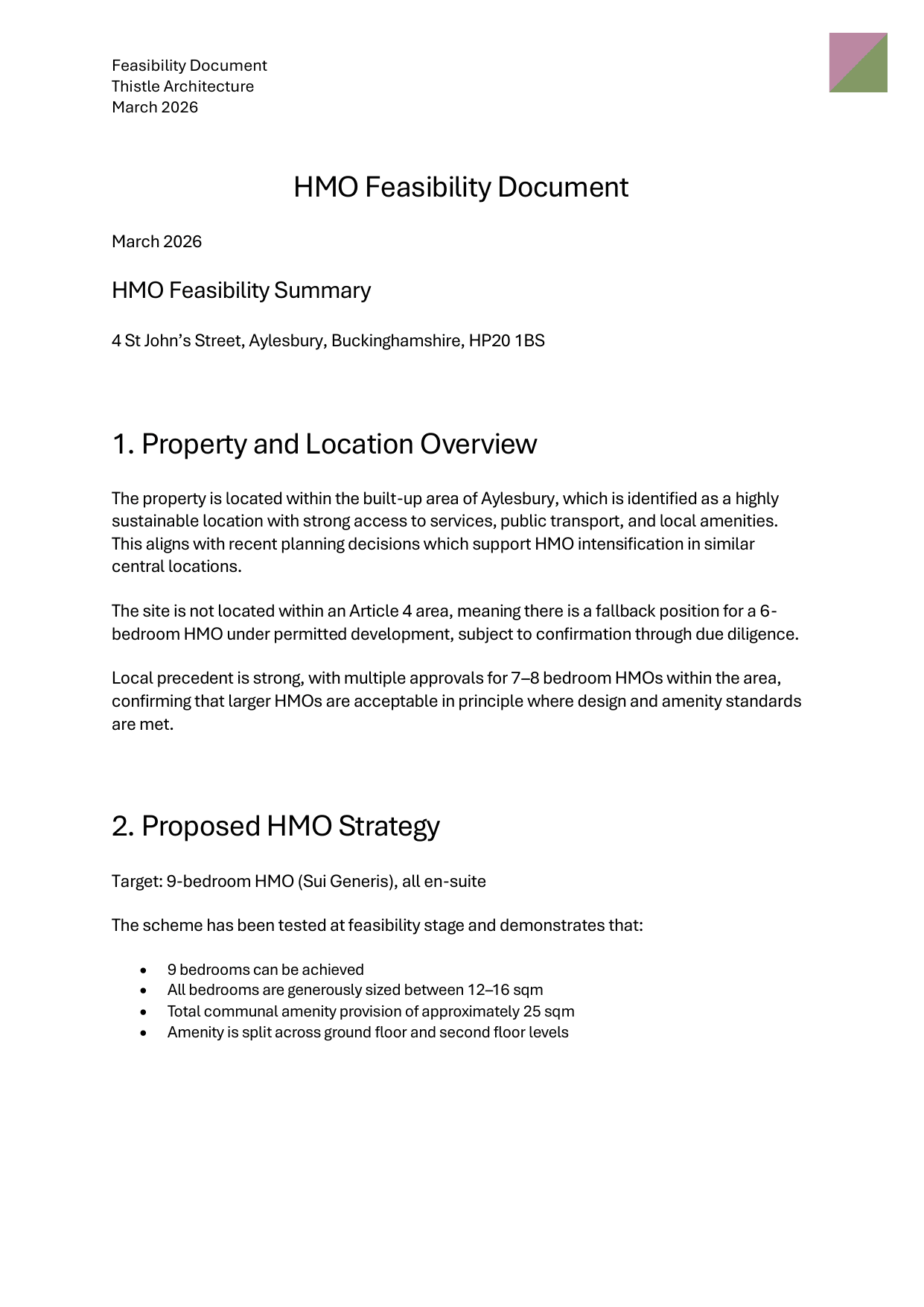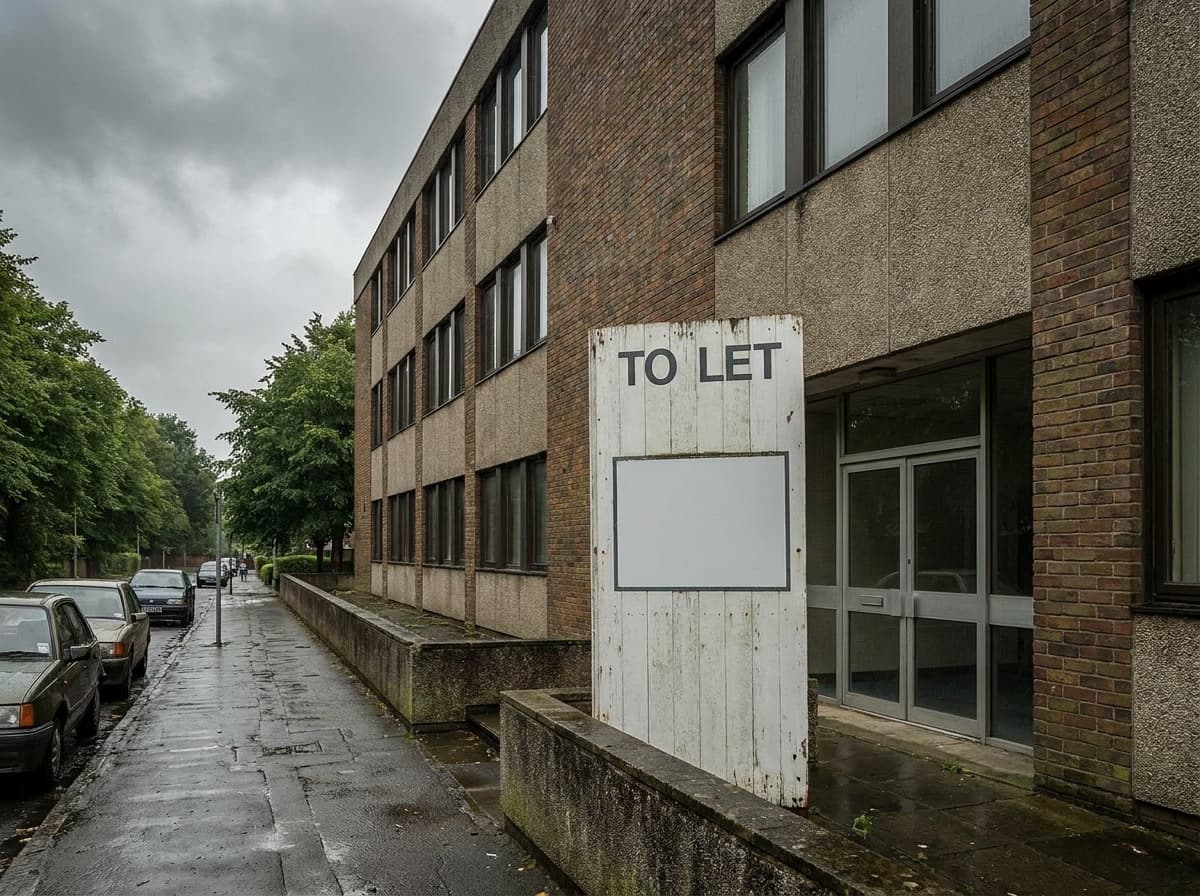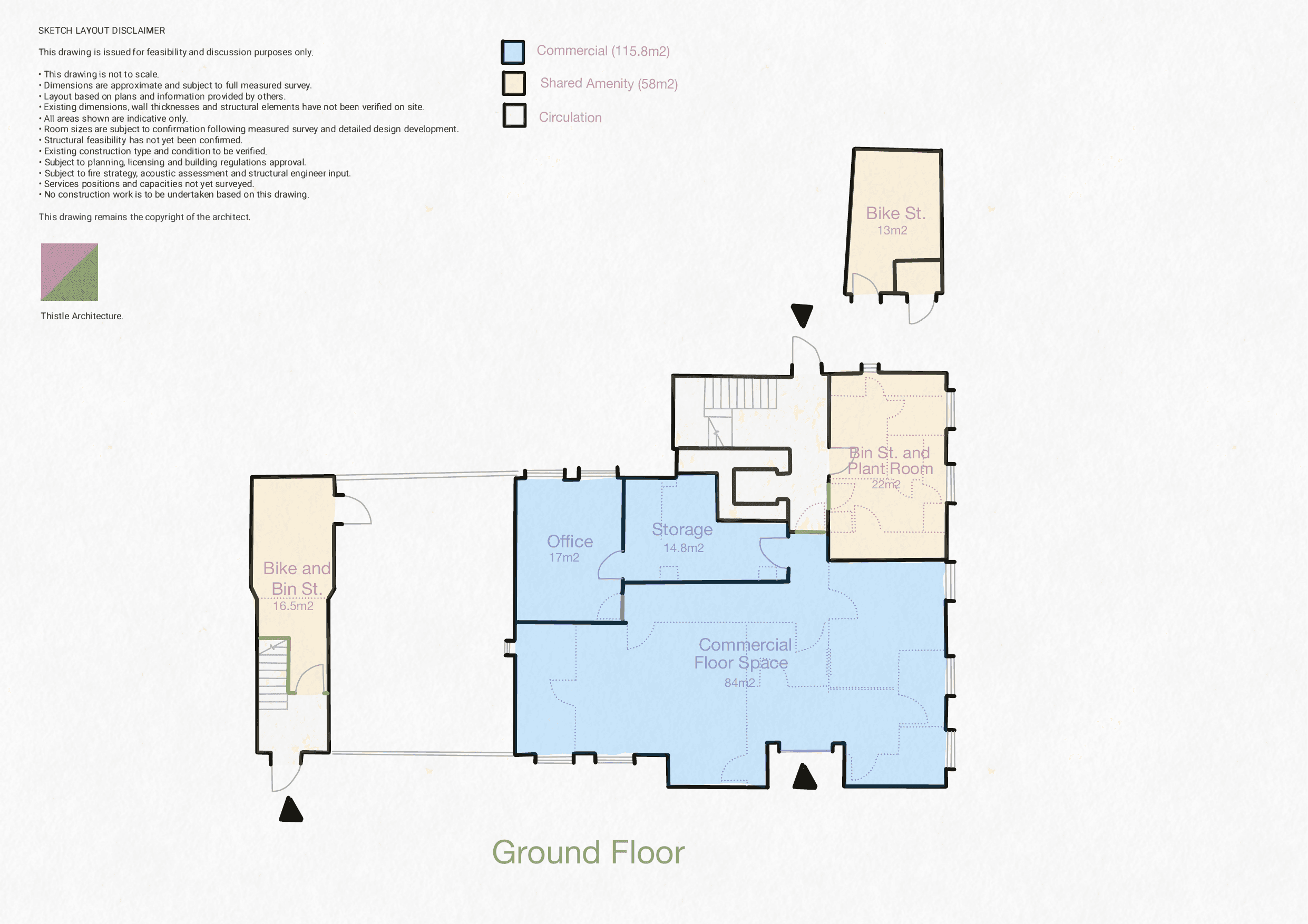
A feasibility report should give you confidence, either to proceed with a deal or to walk away. But too many reports we've reviewed from other practices leave developers with more questions than answers. Here are five red flags that suggest a feasibility report isn't doing its job.
1. No Clear Go/No-Go Recommendation
The whole point of a feasibility study is to answer one question: should I proceed with this building? If the report ends with vague conclusions like 'further investigation recommended' or 'subject to detailed design,' it hasn't done its job. A good feasibility report commits to a clear recommendation based on the evidence gathered.
At Thistle, every report ends with an unambiguous Go or No-Go recommendation, supported by a risk register that quantifies the key uncertainties.
2. Missing or Generic Constraints Analysis
If the report doesn't mention the specific planning policies that apply to the building, the local plan allocation, any Article 4 directions, conservation area status, flood zone classification, it's likely based on assumptions rather than research. A proper desk study should surface all material constraints before the architect starts drawing.
Thinking about a conversion?
Get a clear Go or No-Go on your building in five days, for a fixed fee.
3. Unit Counts Without Space Standards
Beware of reports that promise high unit counts without demonstrating compliance with the Nationally Described Space Standards (NDSS). It's easy to draw 20 units on a plan if you ignore the minimum space requirements. A credible feasibility will show you a schedule of accommodation with each unit's GIA clearly mapped against the NDSS minimums.
4. No Efficiency Ratio
The efficiency ratio, the percentage of gross internal area that becomes sellable residential space, is one of the most important metrics in a conversion project. If the report doesn't calculate this, you can't accurately estimate GDV or compare the scheme against alternative uses. We target a minimum 80% efficiency ratio for office conversions and flag anything below 75% as a risk.
5. No Risk Register
Every building has risks. Structural unknowns, services diversions, contamination, fire strategy complications, these are all normal parts of conversion projects. A good feasibility report doesn't pretend they don't exist. It identifies them, assesses their likely impact and cost, and tells you whether they're manageable or deal-breaking.
The Bottom Line
A feasibility report should be the hardest-working document in your acquisition process. If it doesn't give you the clarity to make a confident decision, to bid, to walk, or to negotiate, it's not doing its job. Our reports are designed to be the single document you need to make that call.